
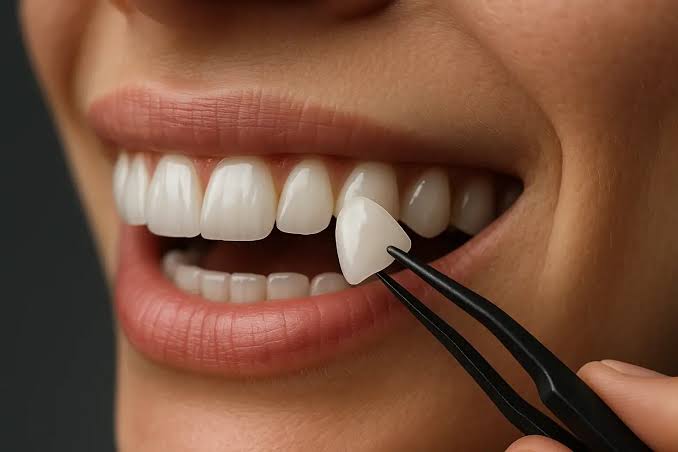
A chipped front tooth can change how your smile looks and sometimes cause sensitivity or discomfort. Even a small chip can create an uneven edge that becomes noticeable when you speak or smile. Fortunately, modern cosmetic dentistry offers several ways to improve damaged teeth. For patients considering porcelain veneers in Century City dental practices provide these custom-made ceramic coverings that may help conceal visible chips and restore natural tooth contours.
Table of Contents
- How Porcelain Veneers in Century City Conceal Chipped Front Teeth
- Which Types of Chipped Front Teeth Can Veneers Treat?
- The Porcelain Veneer Procedure: Step by Step
- Porcelain Veneers vs. Dental Bonding for Chipped Teeth
- How Long Do Porcelain Veneers Last?
- Who Is a Suitable Candidate for Porcelain Veneers?
- Choosing a Dentist for Chipped Front Teeth in Los Angeles
- Conclusion
Yes, porcelain veneers can hide many chipped front teeth. These thin ceramic shells cover the visible tooth surface, helping conceal small fractures, irregular edges, and other cosmetic imperfections. However, suitability depends on the extent of damage, remaining enamel, and bite condition. A dental examination determines whether veneers, bonding, or crowns are most appropriate.
How Porcelain Veneers in Century City Conceal Chipped Front Teeth
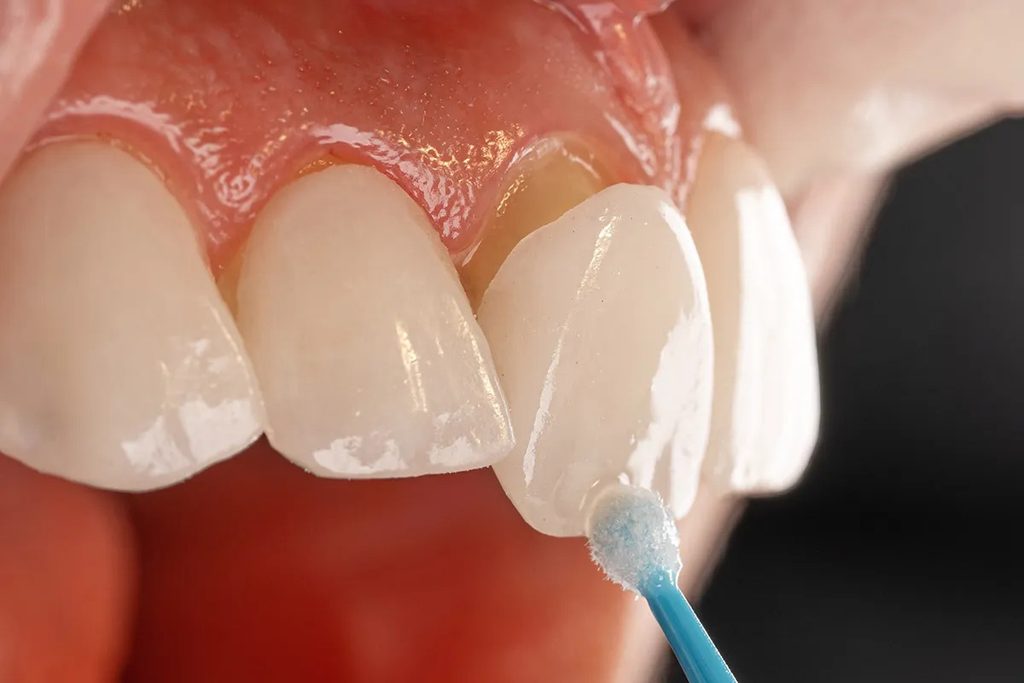
Patients exploring porcelain veneers in Century City can benefit from understanding how these ceramic coverings improve the appearance of damaged teeth. Each veneer is carefully shaped to fit over the visible tooth surface while matching the surrounding teeth.
Unlike dental crowns, which generally cover the entire visible portion of a tooth, veneers primarily improve the front surface. They can conceal minor imperfections without requiring extensive reshaping when the underlying structure is healthy.

Century Smile Maker offers personalized cosmetic dental care in Century City, Los Angeles, helping patients improve their smiles with porcelain veneers and other dental treatments.
How Porcelain Veneers Century City Patients Choose to Improve Their Smiles
The appearance of a chipped tooth depends on the size and position of the damaged area. A customized veneer can recreate the natural outline of a front tooth while improving its color and proportions.
Potential cosmetic benefits include:
- Concealing small chips and irregular edges.
- Improving uneven tooth shapes.
- Matching the natural shade of surrounding teeth.
- Creating a more balanced smile.
- Providing greater resistance to surface stains than composite resin.
Although these restorations offer cosmetic advantages, they cannot correct every form of structural damage. A dentist must first confirm that the affected tooth is suitable for treatment.
Which Types of Chipped Front Teeth Can Veneers Treat?
Not all tooth chips are identical. Some involve only the enamel, while others extend into deeper layers. The severity of the damage determines the appropriate dental procedure.
Small Chips Along Front Tooth Edges
Minor enamel chips may occur after biting hard foods, experiencing accidental impacts, or years of gradual wear. If the remaining structure is healthy, a veneer can cover the affected area and improve its appearance.
However, composite bonding may provide a simpler solution when the defect is very small.
Uneven Teeth With Multiple Cosmetic Concerns
Some patients have chipped edges along with discoloration, irregular shapes, or small spaces between teeth. In these cases, veneers may address several visible concerns through a single treatment approach.
Individuals considering reliable veneers in Century City should discuss whether one restoration or several would create a balanced result.
Larger Chips and Deep Fractures
A significant fracture may expose the inner dentin or affect the dental pulp. These conditions require a different level of care because cosmetic coverage alone cannot resolve underlying damage.
Evaluate persistent pain, sensitivity, swelling, or a visibly deep fracture promptly. Depending on the findings, you may need a crown, root canal treatment, or another procedure.
The Porcelain Veneer Procedure: Step by Step
Understanding the procedure helps patients prepare for their appointments and establish realistic expectations.
1. Dental Examination and Treatment Planning
The dentist examines the chipped tooth, surrounding gums, enamel condition, and bite alignment. The dentist may recommend dental imaging if more serious damage is suspected.
This evaluation also helps identify grinding habits, untreated decay, or gum disease that could affect the outcome.
2. Digital Smile Design and Tooth Preparation
Some practices incorporate digital scans and smile previews into their dental care approach to help patients visualize how their proposed restorations may look before treatment begins.
Traditional veneers generally require removing a thin layer of enamel to create sufficient space for the ceramic shell. Because enamel does not grow back, this preparation is usually irreversible.
3. Custom Veneer Fabrication
After preparation, impressions or digital scans create the restoration. A dental laboratory produces the veneer according to the planned shape, shade, and proportions.
Temporary coverage may protect the prepared tooth while the lab makes the permanent restoration.
4. Final Placement and Bonding
During the final appointment, the dentist checks the veneer for proper fit, color, and bite alignment. The dentist then bonds the ceramic shell to the prepared surface using dental adhesive.
Patients receive instructions for maintaining their restorations and protecting them from unnecessary pressure.
Porcelain Veneers vs. Dental Bonding for Chipped Teeth
Both procedures can improve damaged front teeth, but their materials, preparation requirements, and long-term maintenance differ.
| Feature | Porcelain Veneers | Dental Bonding |
| Material | Custom ceramic | Tooth-colored composite resin |
| Suitable for | Multiple cosmetic imperfections | Small, localized chips |
| Preparation | Usually some enamel removal | Often minimal preparation |
| Stain resistance | Generally higher | More susceptible to staining |
| Appointments | Usually multiple visits | Often one visit |
| Longevity | Commonly 10–15 years or longer | Often 3–10 years |
These lifespan estimates vary according to individual habits, bite forces, oral health, and maintenance.
Someone searching for porcelain veneers near them may discover that bonding can correct a tiny chip without extensive preparation. Conversely, a patient with several uneven or discolored front teeth might benefit from discussing veneers.
The appropriate choice depends on preserving healthy tooth structure while achieving the desired cosmetic improvement.
How Long Do Porcelain Veneers Last?
Porcelain veneers commonly last 10–15 years, with some remaining functional longer when properly maintained. However, they are not permanent and may eventually require repair or replacement.
Their longevity depends on oral hygiene, bite alignment, restorative materials, and daily habits.
To protect veneers:
- Brush twice daily using fluoride toothpaste.
- Floss regularly to maintain healthy gums.
- Avoid chewing ice or biting hard objects.
- Wear a nightguard if recommended for teeth grinding.
- Attend routine dental examinations.
- Avoid using teeth to open packages.
A loose, cracked, or chipped veneer requires professional evaluation. Household adhesives can cause additional damage.
Who Is a Suitable Candidate for Porcelain Veneers?
Good candidates generally have healthy gums, sufficient enamel, and cosmetic concerns that can be addressed without compromising tooth function.
However, untreated decay, severe grinding, active gum disease, and significant structural damage may affect eligibility.
People researching veneers near them should prioritize a complete dental assessment rather than relying only on appearance or advertised treatment costs.
A dentist can determine whether the tooth needs protective restorative treatment before cosmetic improvement.
Choosing a Dentist for Chipped Front Teeth in Los Angeles
Successful cosmetic treatment requires careful planning, appropriate materials, and attention to natural tooth structure.
When selecting a dentist near Century City, patients should consider professional qualifications, treatment experience, communication, and available restorative options.
Useful questions include whether enamel removal is necessary, how the restoration will match neighboring teeth, and what alternatives may preserve more natural structure.
Patients seeking a top-rated dentist in Century City should review professional credentials and patient feedback while focusing on individualized clinical recommendations.
At Century Smile Maker, Dr. Ali Esfahani, DDS, provides cosmetic dental services, including porcelain veneers. The practice uses digital smile design, customized ceramic restorations, and conservative preparation techniques to help patients evaluate treatment options before proceeding.
Frequently Asked Questions
Can a veneer completely hide a chipped front tooth?
Yes. A veneer can conceal many minor or moderate visible chips when sufficient healthy tooth structure remains. Extensive fractures may require crowns or other treatment.
Is getting porcelain veneers painful?
The procedure is generally comfortable, and local anesthesia may be used during preparation. Some patients experience temporary sensitivity afterward.
Can a single chipped tooth receive a veneer?
Yes. One veneer may be sufficient when its shape and shade can be matched to the surrounding teeth.
Are porcelain veneers suitable for teeth grinding?
Grinding increases pressure on restorations and may contribute to damage. A dentist should evaluate the habit before recommending veneers.
Does dental insurance cover chipped tooth veneers?
Insurance often excludes procedures performed solely for cosmetic reasons. Coverage may differ when treatment is medically necessary, depending on the policy.
Are veneers better than crowns for chipped front teeth?
Neither option is universally better. Veneers primarily address cosmetic concerns, while crowns provide broader coverage when a tooth has substantial structural damage.
Conclusion
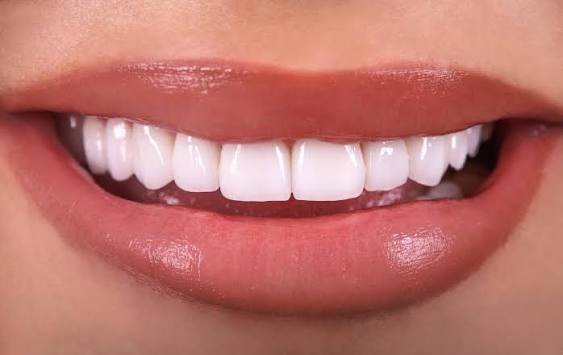
Chipped front teeth can affect your smile’s appearance, but several dental treatments can address the problem. Porcelain veneers may conceal minor chips, improve uneven edges, and create a natural-looking result when the underlying tooth remains healthy. For patients researching porcelain veneers in Century City, a professional evaluation is essential. Dental bonding may suit smaller defects, while deeper fractures sometimes require crowns or additional restorative procedures.
Understanding the benefits, limitations, and maintenance requirements of each option helps patients make informed decisions that support both appearance and long-term oral health.
Planning a dental consultation in Century City, Los Angeles? Explore the dental office location on Google Maps to get directions and plan your visit with ease.