
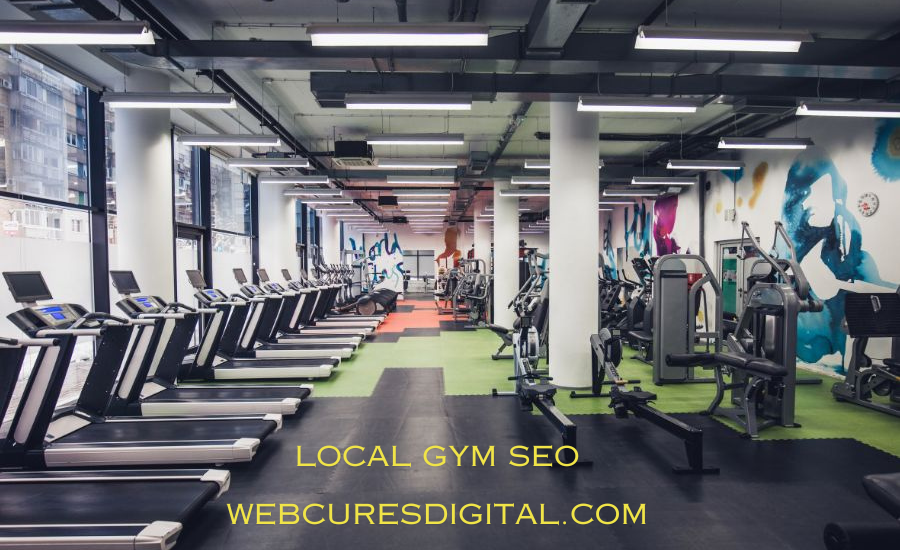
In the fast-paced digital age, local businesses, including gyms, are increasingly recognizing the importance of establishing a robust online presence. Search Engine Optimization (SEO) has emerged as a critical tool for enhancing visibility and attracting potential clients. For local gyms, mastering the art of local SEO is particularly vital to ensure that fitness enthusiasts in the vicinity can easily find and engage with their services. In this article, we will delve into the intricacies of local gym SEO, exploring effective best strategies to boost visibility without resorting to commonly used buzzwords.
Table of Contents
- Keyword Research: The Foundation of Local Gym SEO
- Content Optimization: Information for Local Audiences
- Google My Business: Claim and Optimize Your Listing
- Local Citations: Establishing Consistent NAP Information
- Mobile Optimization: Catering to the On-the-Go Audience
- Local Link Building: Forge Connections within the Community
- Social Media Engagement: Connecting with the Community
- On-Page SEO: Optimizing Beyond Keywords
- Local Schema Markup: Providing Context to Search Engines
- Analytics and Monitoring: Adapting to Evolving Trends
- Frequently Asked Questions (FAQ) – Local Gym SEO
- What is Local Gym SEO, and why is it important for my fitness business?
- How can I identify relevant keywords for my local gym’s SEO strategy?
- Is content creation essential for local gym SEO, and how can I optimize it without using the term “crafting”?
- What role does Google My Business (GMB) play in local gym SEO?
- How can I build local citations for my gym, and why are they important?
- Conclusion
Local SEO is a specialized branch of search engine optimization that focuses on optimizing a business’s online presence to attract local customers. For gyms operating in specific geographical locations, mastering local SEO is crucial for reaching the right audience. Let’s explore key strategies to navigate the local gym SEO landscape without relying on overused terminology.
Keyword Research: The Foundation of Local Gym SEO
Before diving into SEO strategies, it’s essential to conduct thorough keyword research. Identify relevant keywords that potential gym-goers in your locality are likely to use when searching for fitness facilities. Instead of opting for generic terms like “best gym,” consider incorporating location-specific keywords, such as local gym in Ahmadabad. This approach ensures that your gym is visible to individuals actively seeking fitness options in your area.
Content Optimization: Information for Local Audiences
Crafting compelling content is a cornerstone of effective SEO, but let’s explore ways to optimize content without using the term “crafting.” Develop informative and engaging blog posts, articles, and landing pages that speak directly to your local audience. Share success stories of local clients, highlight community events, and offer valuable fitness tips. Incorporate local keywords naturally within the content to enhance its relevance to the target audience.

Google My Business: Claim and Optimize Your Listing
One of the most powerful tools for local SEO is Google My Business (GMB). Claiming and optimizing your GMB listing is crucial for local gyms. Provide accurate information about your gym, including address, phone number, business hours, and a brief description of your services. Encourage satisfied clients to leave positive reviews, as these can significantly impact your local search rankings.
Local Citations: Establishing Consistent NAP Information
Local citations play a vital role in local SEO. Ensure that your gym’s Name, Address, and Phone Number (NAP) information is consistent across all online platforms, directories, and social media profiles. This consistency reinforces your gym’s legitimacy and helps search engines accurately index your business.
Mobile Optimization: Catering to the On-the-Go Audience
In the era of smartphones, optimizing your gym’s website for mobile devices is non-negotiable. Google prioritizes mobile-friendly websites in search rankings, making mobile optimization a key factor in local SEO success. Ensure that your website is responsive and provides a seamless user experience on various devices.
Local Link Building: Forge Connections within the Community
Building local links can significantly boost your gym’s credibility in the eyes of search engines. Seek opportunities to collaborate with local businesses, sponsor community events, or participate in charity initiatives. When reputable local websites link back to your gym’s website, it signals to search engines that your business is a valuable and trusted resource in the community.
Social Media Engagement: Connecting with the Community
While the term “leveraging” may be off-limits, the importance of social media engagement cannot be overstated. Actively participate in local social media groups, share updates about your gym, and encourage clients to tag and share their experiences. Social media signals contribute to your overall online presence and can positively influence local search rankings.

On-Page SEO: Optimizing Beyond Keywords
Beyond incorporating keywords, focus on other on-page SEO elements. Write clear and concise meta titles and descriptions that entice users to click on your gym’s link in search results. Use header tags (H1, H3, etc.) to organize your content logically and make it more readable for both users and search engines.
Local Schema Markup: Providing Context to Search Engines
Implementing local schema markup on your website provides additional context to search engines about your gym’s location, services, and reviews. This structured data can enhance your chances of appearing in local search results with rich snippets, making your gym stand out to potential clients.
Analytics and Monitoring: Adapting to Evolving Trends
Regularly monitor your gym’s performance using analytics tools. Track key metrics such as website traffic, user engagement, and conversion rates. Analyzing this data enables you to identify areas for improvement and adapt your local SEO strategy to evolving trends in the fitness marketing and online search behavior.
Frequently Asked Questions (FAQ) – Local Gym SEO
What is Local Gym SEO, and why is it important for my fitness business?
Local Gym SEO refers to the practice of optimizing a gym’s online presence to enhance visibility in local search results. This is crucial for attracting potential clients in your geographical area who are actively seeking fitness options. With effective local SEO, your gym can stand out among local competitors and capture the attention of fitness enthusiasts nearby.
How can I identify relevant keywords for my local gym’s SEO strategy?
To identify relevant keywords, consider the terms potential clients in your area might use when searching for fitness services. Include location-specific keywords, such as your city or neighborhood, to tailor your content to local search queries. Tools like Google Keyword Planner and SEMrush can assist in discovering popular and relevant keywords.
Is content creation essential for local gym SEO, and how can I optimize it without using the term “crafting”?
Yes, content creation is crucial for local SEO success. Instead of “crafting” content, focus on creating informative and engaging blog posts, articles, and landing pages. Share local success stories, community events, and valuable fitness tips. Incorporate local keywords naturally to make your content more relevant to the local audience.
What role does Google My Business (GMB) play in local gym SEO?
Google My Business is a powerful tool for local SEO. By claiming and optimizing your GMB listing, you provide accurate information about your gym, including address, phone number, business hours, and a brief description of your services. Positive reviews on GMB can significantly impact your local search rankings.
How can I build local citations for my gym, and why are they important?
Local citations involve ensuring consistent Name, Address, and Phone Number (NAP) information across online platforms, directories, and social media. Consistency in citations establishes your gym’s legitimacy and helps search engines accurately index your business, positively impacting local search rankings.
Conclusion
Mastering local gym SEO is a dynamic and ongoing process that requires a strategic approach tailored to your specific location and target audience. By conducting thorough keyword research, optimizing content, claiming your Google My Business listing, building local citations, and engaging with the community through social media, your gym can establish a strong online presence without relying on overused buzzwords. Remember, the key to successful local SEO lies in consistently providing valuable information and building genuine connections within your local community.